


Everyday household items, such as shoes, electrical cords, magazines, laundry baskets, and misplaced furniture, can create obstacles that increase the risk of trips and falls. For seniors who experience reduced balance, limited mobility, or changes in vision, even a small object on the floor can lead to a serious injury. Keeping living spaces organized helps reduce these trip hazards and makes daily activities easier to manage.
Clutter can accumulate gradually in hallways, bedrooms, kitchens, and living rooms. Items left near doorways or along frequently used walking routes may become familiar sights, making it easier for household members to overlook their potential dangers. Seniors who use walkers, canes, or other mobility aids may have greater difficulty moving around these obstacles safely. A clear pathway gives them more room to walk, turn, and reach essential areas without unnecessary interruptions.
Falls can result in bruises, fractures, head injuries, and a loss of confidence during everyday activities. For some older adults, an injury may lead to hospital visits, rehabilitation, or a greater need for assistance at home. Family caregivers can help reduce these risks by identifying problem areas, organizing frequently used belongings, and establishing regular cleaning routines. Home care services can provide practical assistance with light housekeeping, mobility support, and daily activities, helping seniors maintain a safer living environment.
- How Clutter Affects Balance and Mobility
Clutter can interfere with the natural movements required for a walking space. An older adult may need to step over a bag, move around a chair, or reach across a pile of belongings to access a frequently used item. These movements can challenge balance, particularly for people with muscle weakness, joint pain, impaired coordination, or limited flexibility. A sudden change in direction or an unexpected obstacle may cause a person to stumble before they can regain their balance.
Poorly arranged furniture can create narrow walkways that restrict movement. A senior using a walker may struggle to pass between a table and a sofa, increasing the chance of catching a foot or losing balance. Loose rugs, stacked newspapers, scattered toys, and charging cables can create similar problems. Keeping walking routes open allows seniors to move between rooms with fewer obstacles and less physical strain.
Changes in vision can make clutter even more hazardous. Dim lighting, shadows, and objects that blend into the flooring may make obstacles difficult to recognize. Seniors with reduced depth perception may struggle to judge distances between objects or to identify small items on the ground. Clear floors, suitable lighting, and well-arranged furniture can help improve visibility and support safer movement throughout the home.
- Benefits of Keeping Walkways Clear
Removing objects from frequently used walking paths helps limit opportunities for tripping. Family members can begin by checking hallways, bedroom entrances, bathroom approaches, and routes leading to the kitchen. Shoes should have a designated storage area, electrical cords should be positioned away from walkways, and loose items should be returned to their proper places. These simple changes can make routine movements safer for older adults.
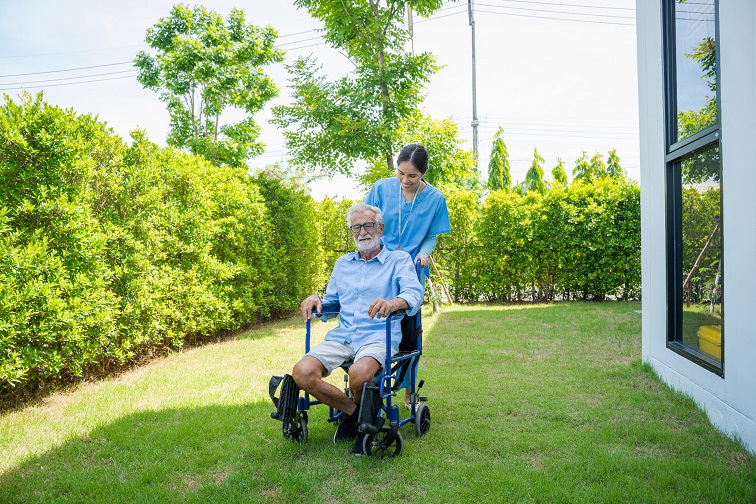
Seniors who rely on canes, walkers, or wheelchairs need sufficient room to move safely. Clutter can interfere with the placement of mobility aids, restrict turning space, and make it difficult to approach beds, chairs, or bathroom fixtures. Rearranging furniture and removing unnecessary items can provide more room for movement. Caregivers can observe how a senior moves through each room and identify areas where additional space may be needed.
A disorganized home may require seniors to search through crowded drawers, overloaded shelves, or piles of belongings to locate essential items. Reaching for objects stored too high or too low can increase the risk of losing balance. Organizing medications, clothing, toiletries, and frequently used kitchen supplies in accessible locations can reduce unnecessary movement and physical strain. Heavy objects should be stored where they can be reached without lifting from the floor or stretching overhead.
A crowded home can make everyday activities feel more difficult. Seniors may hesitate to walk through certain rooms if they are concerned about tripping over misplaced belongings. Clear pathways and organized rooms can help reduce these concerns, allowing older adults to move around their homes with greater confidence. A more orderly environment can support independence by making it easier to reach favorite seating areas, prepare meals, and move between rooms.
- Practical Ways to Reduce Clutter-Related Hazards
Preventing falls begins with a room-by-room review of the home. Start with areas used most often, such as the bedroom, bathroom, kitchen, and hallway. Remove unnecessary belongings from the floor, secure or relocate loose cords, and keep commonly used routes free of storage boxes and furniture. Items that are no longer needed can be donated, recycled, or stored in a location that does not interfere with movement.
Lighting deserves equal attention. Nightlights near bedrooms and bathrooms can help seniors identify obstacles during evening trips. Light switches should be easy to reach, and frequently used areas should have sufficient illumination. Non-slip footwear, stable handrails, and properly fitted mobility aids can provide further support, depending on individual needs.
Household organization should remain an ongoing routine rather than a one-time project. Family members can check for newly misplaced items, keep laundry and rubbish contained, and return belongings to designated storage spaces. Seniors who have difficulty bending, lifting, or standing for long periods may need help with these tasks. Heavy furniture should not be moved without appropriate assistance, and a healthcare professional or occupational therapist can help identify additional home safety adjustments when needed.
- How Home Care Services Can Support Fall Prevention
Professional home care can help older adults maintain a safer and more manageable living environment. Depending on the care plan, caregivers may assist with light housekeeping, laundry, organizing everyday belongings, preparing meals, and providing daily personal care assistance. These services can reduce the physical demands of household tasks for seniors who experience mobility limitations or fatigue.
Caregivers can help identify visible hazards during regular visits, such as blocked walkways, misplaced items, or clutter near frequently used furniture. Families can discuss these concerns with the care team and develop practical routines that reflect the senior’s abilities and preferences. When mobility or balance concerns arise, the family should consult an appropriate healthcare professional for further assessment and guidance.
Reducing clutter is a practical step toward lowering fall risks and supporting safer daily routines for older adults. Contact Angels Of America HomeCare to discuss care options that can help your loved one manage household tasks and maintain a more accessible home environment. Small, consistent changes can make everyday movement easier and support greater confidence at home.
Disclaimer
Blogs, content, and other media uploaded online are for informational purposes only. Contents on this website should not be considered medical advice. Readers are strongly encouraged to visit their physician for health-related issues.


Leave a Reply